Introduction
In the world of medical care, airway management and ventilation are vital elements that can dictate individual end results. Recognizing exactly how to properly take care of a person's airway, especially during emergency situations or in critical treatment setups, is important for medical care professionals. This post offers an extensive exploration of air passage and air flow monitoring strategies, diving right into different facets such as training programs offered for healthcare providers, different ventilation techniques, and the current developments in technology.
Airway monitoring is not merely regarding placing a tube; it involves a detailed understanding of anatomy, physiology, and the devices at one's disposal. Also, air flow is not practically supplying oxygen; it's about ensuring ample gas exchange while lessening potential difficulties. Join us as we navigate through these intricate subjects in "A Deep Dive into Air Passage and Ventilation Administration Techniques."
What is Air passage and Ventilation Management?
Airway monitoring describes the medical treatments required to make certain a person's airway remains open and unhampered. It encompasses a series of strategies from basic maneuvers like head-tilt-chin-lift to more complicated treatments such as endotracheal intubation. Air flow, on the other hand, involves relocating air in and out of the lungs to assist in gas exchange.
The Value of Effective Airway Management
Effective airway management is critical in emergency situations where clients may be unable to take a breath independently due to numerous factors-- trauma, sedation, or medical conditions such as bronchial asthma or COPD. If the respiratory tract is compromised, it can cause hypoxia-- a problem where there's insufficient oxygen getting to essential organs-- which can be deadly.
Basic Ideas of Ventilation
Ventilation consists of two key stages: inhalation (breathing in) and exhalation (breathing out). The objective is to maintain optimal levels of oxygen and co2 within the blood. There are two major types of ventilation:
Invasive Ventilation: Entails using mechanical gadgets that supply breaths via a man-made airway. Non-Invasive Air flow (NIV): Uses face masks or nasal masks to offer ventilatory support without a man-made airway.Types of Airway Management Techniques
1. Fundamental Respiratory Tract Maneuvers
Head-Tilt-Chin-Lift Technique
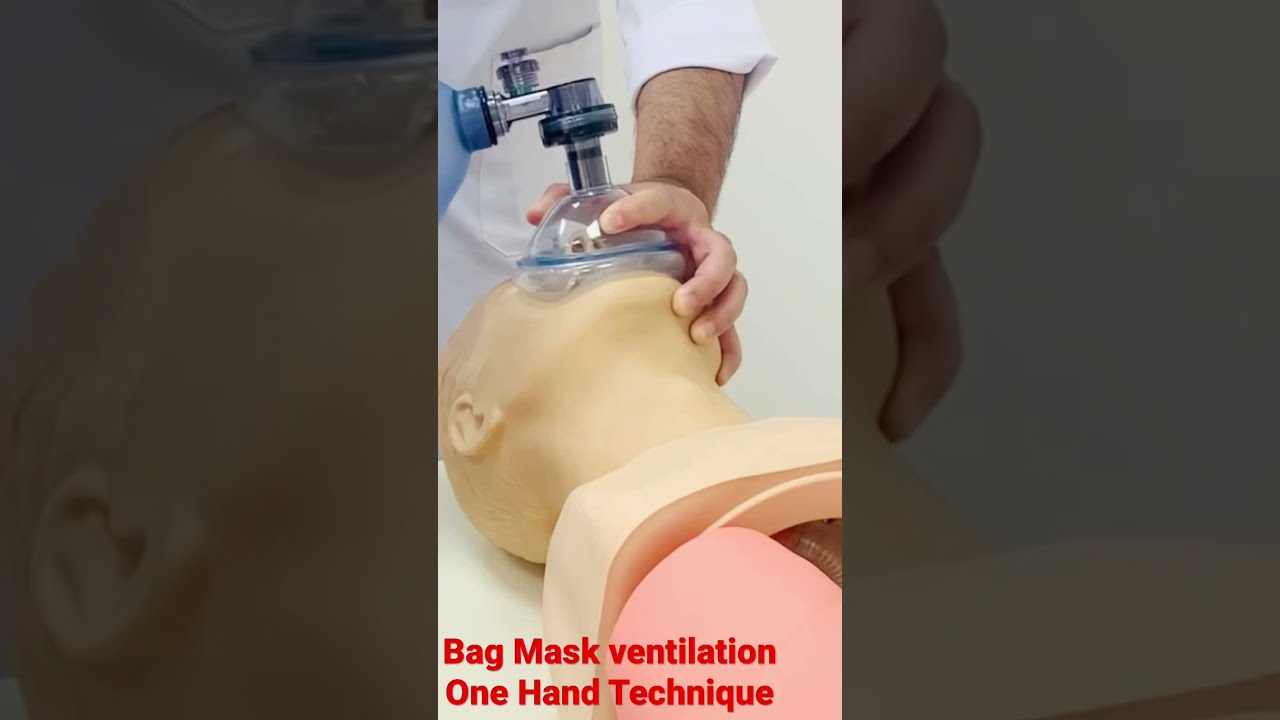
This basic technique opens the air passage by turning the head back while lifting the chin ahead. It's effective for unresponsive people who require fundamental ventilation support.
Jaw-Thrust Maneuver
Particularly valuable for firstaidpro.com.au patients with presumed neck injuries, this method does not entail neck expansion however instead pushes the jaw ahead to open the airway.
2. Advanced Airway Interventions
Endotracheal Intubation
This invasive procedure involves putting a tube into the throat with the mouth or nose to safeguard an open airway.
Supraglottic Airways
Devices like laryngeal mask air passages enable simpler placement compared to standard intubation methods while still offering sufficient ventilation support.
Ventilator Support: What Is It?
Ventilator support is an essential element of handling people who can not take a breath properly on their own. It involves utilizing mechanical tools that assist or entirely take over the procedure of breathing.
How Does Mechanical Air flow Work?
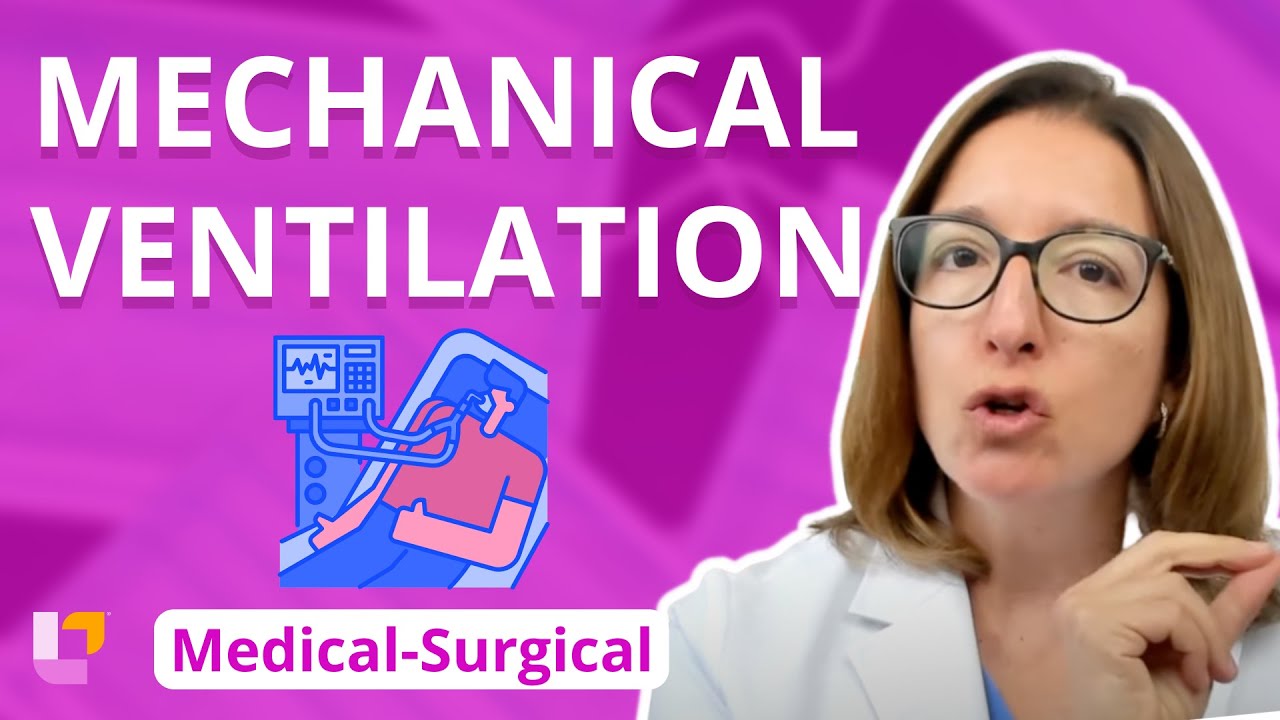
Mechanical ventilators supply breaths based upon fixed setups adjusted according to client demands. They can provide support with different modes:
- Assist-Control Mode: Delivers breaths at set periods yet permits clients to take additional breaths if they wish. Synchronized Intermittent Compulsory Ventilation (SIMV): Uses a mix of mandatory breaths while permitting spontaneous breathing by the patient.
Understanding Ventilator Stress Support
Ventilator pressure support aids during spontaneous breathing by delivering pre-programmed stress when the person initiates a breath however doesn't require breaths upon them.
Key Parts in Respiratory tract Management Training Courses
Basic Ventilator Program Overview
A standard ventilator program usually covers essential principles related to mechanical air flow-- signs for usage, setups change, checking criteria, etc
Ventilation Training Programs for Nurses
Specialized training courses focused on nursing experts equip them with required skills in handling aerated individuals-- emphasizing both concept and functional application.

Tracheostomy and Ventilator Training
Tracheostomy training focuses on managing people with long-term airway needs typically related to mechanical air flow-- a skill progressively essential for nurses working in critical care unit (ICUs).
NDIS Ventilation Training Programs Explained
The National Disability Insurance coverage Plan (NDIS) has certain training programs customized for medical care workers included with people requiring consistent respiratory support because of impairments or persistent illnesses.
What Topics Are Covered?
Courses commonly incorporate:
- Fundamentals of NDIS policies Safe handling techniques Practical skills in running ventilators Emergency action protocols
Common Challenges in Air passage Management
Despite breakthroughs in technology and training programs, a number of difficulties continue within respiratory tract management:
1. Recognition of Tough Airway
Identifying patients with prospective hard respiratory tracts is critical yet can usually be missed out on throughout preliminary assessments.
2. Devices Familiarity
Healthcare experts have to be skilled at making use of different devices associated with respiratory tract monitoring-- from simple bag-valve masks to complex ventilators-- to stay clear of delays throughout important moments.
Emerging Technologies in Air passage Management
As modern technology advances, so do approaches made use of for reliable airway administration:
Smart Ventilators
These tools adjust immediately based upon real-time responses from client criteria-- boosting safety throughout mechanical ventilation.
Telemedicine Applications
Remote surveillance technologies allow doctor to supervise aerated clients also from afar-- improving outcomes by making it possible for prompt interventions when needed.
FAQ Section
1. What Are Common Indications That A Client Demands Respiratory Tract Assistance?
Patients might display indications like labored breathing, transformed mental state (confusion), or cyanosis (bluish skin).
2. How Long Can An Individual Be On A Mechanical Ventilator?
Duration differs considerably depending on private scenarios; some may just require hours while others could require extended support long lasting weeks or months.
3. What Is an NDIS Ventilation Training Course?
It's a specific program created for health specialists associated with taking care of those requiring recurring respiratory system help under NDIS guidelines.
4. Are There Dangers Related To Mechanical Ventilation?
Yes! Risks include ventilator-associated pneumonia (VAP), barotrauma from excessive pressures, and mental effects from long term sedation.
5. Just how Do I Pick The Right Air Flow Course?
Consider elements like your existing skill degree, expert duty demands, program material deepness, duration & & certification condition prior to enrolling.
6. Can Non-Medical Worker Take These Courses?
Many training courses welcome non-medical personnel but frequently suggest prior fundamental knowledge regarding CPR/first aid concepts first!
Conclusion
"A Deep Study Respiratory Tract and Air Flow Management Techniques" highlights crucial techniques every doctor need to understand when taking care of critically unwell individuals calling for sophisticated breathing assistance systems like mechanical air flow systems! By outfitting oneself with knowledge gained through structured education paths-- like basic ventilator programs & & NDIS training-- you'll enhance your ability not only positively influence patient end results yet likewise foster greater self-confidence among peers while navigating high-stakes medical atmospheres! Constantly keep in mind-- the ability to acknowledge when intervention is essential can imply all distinction in between life & & death!